
Healthy Eating Tips for a Better, Balanced Life
Healthy eating doesn’t have to be complicated, restrictive, or overwhelming. In fact, the best approach is often the simplest one—making small, sustainable changes that fit naturally into your daily routine.
Whether you’re cooking for your family, trying to improve your energy levels, or just looking to feel better overall, these practical healthy eating tips can help you build habits that actually last.
Let’s break it down into easy, realistic steps you can start today.
1. Choose Whole Grains Over Refined Grains
One of the easiest and most impactful changes you can make is switching from refined grains to whole grains.
Whole grains are grains that haven’t been stripped of their natural nutrients. They still contain all parts of the grain—the bran, germ, and endosperm—which means they’re packed with fiber, vitamins, and minerals.
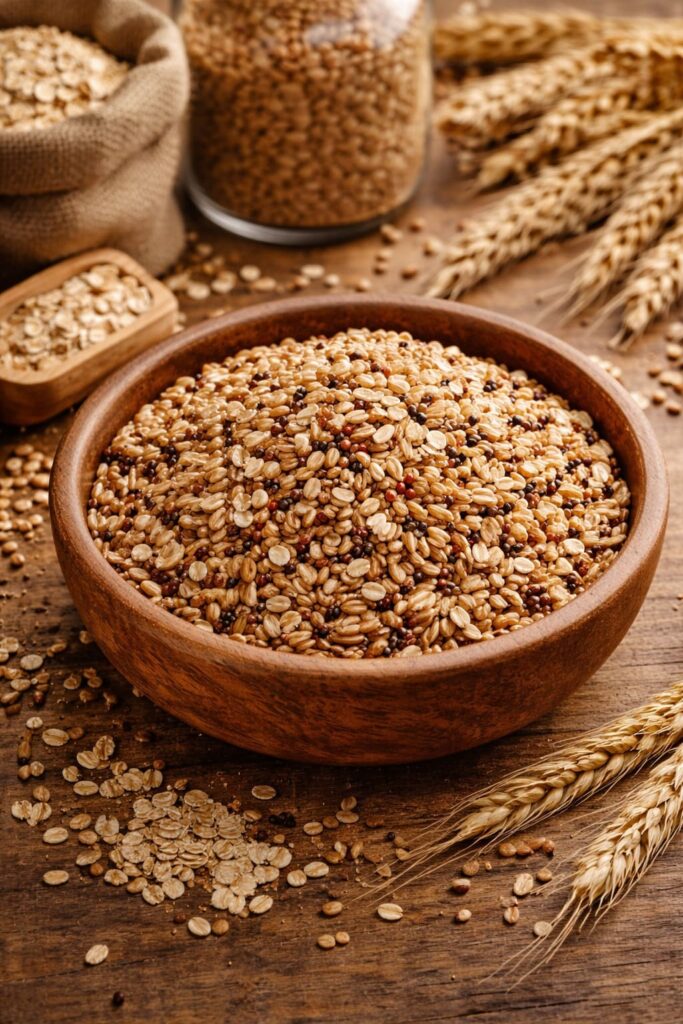
On the other hand, refined grains like white rice and white bread have been processed to remove many of these beneficial nutrients, leaving behind mostly simple carbohydrates.
Why whole grains matter:
- They keep you fuller for longer
- Help regulate blood sugar levels
- Support digestion due to higher fiber content
Easy swaps to try:
- White rice → Brown rice or quinoa
- White bread → Whole wheat or multigrain bread
- Regular pasta → Whole grain or chickpea pasta
These swaps are simple but powerful. Over time, they can improve your energy levels and help you avoid unnecessary snacking.
2. Cut Back on Sugary Drinks (Especially Soda)
If there’s one habit that can make a noticeable difference quickly, it’s reducing or eliminating sugary drinks.
Soda, energy drinks, and even some fruit juices are loaded with added sugars and empty calories. They don’t fill you up, but they do contribute significantly to weight gain, blood sugar spikes, and long-term health issues.

Why you should ditch soda:
- High in sugar with no nutritional value
- Can lead to energy crashes
- Contributes to weight gain and metabolic issues
Better alternatives:
- Plain water (best choice)
- Infused water (lemon, cucumber, mint)
- Unsweetened herbal teas
- Sparkling water with a splash of fruit juice
Even replacing just one soda a day with water can save hundreds of calories over time. Your body will feel the difference—more hydration, better skin, and improved energy.
3. Eat as “Clean” as Possible
Clean eating is a term you’ve probably heard a lot—and while it may sound intimidating, it’s actually quite simple.
At its core, clean eating means choosing foods that are as close to their natural state as possible. Think fresh fruits, vegetables, whole grains, lean proteins, and healthy fats—foods that haven’t been heavily processed or filled with artificial additives.
What clean eating looks like:
- Fresh produce instead of packaged snacks
- Home-cooked meals instead of fast food
- Reading ingredient labels and avoiding long, unrecognizable lists
You don’t have to be perfect. In today’s busy world, completely avoiding processed foods isn’t realistic. But even aiming to eat clean for most of your meals can have a huge impact on your overall health.
A practical approach:
Try following the 80/20 rule:
- 80% whole, clean foods
- 20% flexibility for treats
This keeps your lifestyle balanced and sustainable.
4. Reduce Your Salt Intake
Salt is essential for the body—but too much of it can lead to serious health issues, especially over time.
The general recommendation for healthy adults is to consume no more than 2300 mg of sodium per day, and ideally closer to 1500 mg, especially if you’re over 50 or have certain health conditions like high blood pressure or kidney disease.
Why too much salt is harmful:
- Increases blood pressure
- Can strain the heart and kidneys
- Leads to water retention and bloating
Simple ways to cut back:
- Rinse canned vegetables and beans before using
- Choose low-sodium or no-salt-added products
- Cook more meals at home
- Use herbs and spices instead of salt for flavor
If you’re sensitive to salt, you may need even less than the standard recommendations. It’s always a good idea to consult your doctor if you’re unsure.
5. Make Smart Food Swaps (Without Feeling Deprived)
Healthy eating doesn’t mean giving up all your favorite foods. The key is learning how to make smarter substitutions that still satisfy your cravings.
Once you start paying attention to what you eat, you’ll naturally begin to notice areas where simple swaps can make a big difference.
Easy and effective swaps:
1. Mayonnaise → Greek Yogurt
Mayonnaise is high in calories and fat. Greek yogurt provides a creamy texture with fewer calories and added protein.
2. White Bread → Whole Wheat Bread
A small change that adds more fiber and nutrients to your meals.
3. Butter → Light Butter or Applesauce (for baking)
Regular butter has around 100 calories per tablespoon. Light butter cuts that in half, and applesauce is a great low-calorie baking alternative.
4. Whole Milk → Skim Milk or Plant-Based Milk
Options like unsweetened almond milk are lower in calories and still work well in most recipes.
The key takeaway:
You don’t have to “cut out”—you can “switch out.”
6. Plan Your Meals Ahead of Time
One of the biggest reasons people struggle with healthy eating is lack of planning. When you’re hungry and short on time, it’s easy to reach for fast food or processed snacks.
Meal planning doesn’t have to be complicated.
Benefits of meal planning:
- Saves time during busy weekdays
- Helps you avoid unhealthy last-minute choices
- Reduces food waste and grocery costs
Simple meal planning tips:
- Plan 3–4 dinners for the week
- Prep ingredients in advance (chop veggies, marinate proteins)
- Keep healthy snacks ready (fruit, nuts, yogurt)
Even a little planning can go a long way in keeping you on track.
7. Stay Hydrated Throughout the Day
Hydration is often overlooked, but it plays a major role in your overall health.
Sometimes, what feels like hunger is actually thirst. Drinking enough water can help regulate appetite, improve digestion, and boost energy levels.
Tips to drink more water:
- Carry a reusable water bottle
- Set reminders on your phone
- Drink a glass of water before meals
- Add natural flavors like lemon or berries
A good starting point is around 6–8 glasses per day, but your needs may vary depending on your activity level and climate.
8. Practice Portion Control
Even healthy foods can lead to weight gain if eaten in large amounts. Portion control is about being mindful of how much you’re eating—not restricting yourself, but finding balance.
Simple ways to manage portions:
- Use smaller plates
- Avoid eating directly from packages
- Pay attention to hunger and fullness cues
- Eat slowly and without distractions
This helps you enjoy your meals more while preventing overeating.
Final Thoughts: Small Changes Lead to Big Results
Healthy eating isn’t about perfection—it’s about progress. You don’t need to overhaul your entire diet overnight. Start with one or two changes, build consistency, and gradually add more habits over time.
Whether it’s switching to whole grains, cutting back on soda, or making smarter food swaps, each step brings you closer to a healthier, more balanced lifestyle.
Remember, the goal isn’t just to eat better—it’s to feel better, have more energy, and create habits that support you and your family for years to come.
One Comment